
Close your eyes for a second and picture your life five years from now. Maybe you’re finally living in that sun-drenched apartment with the floor-to-ceiling windows, or perhaps you’ve traded your beat-up sedan for something that actually starts on the first try. You’re working a job that challenges you, your weekend trips are booked, and your biggest stress is figuring out which sourdough starter recipe is actually worth the hype. Life feels light. It feels full of potential.
But then, imagine a sudden, sharp gust of wind blowing through that open window.
What if, in an instant, the income you’ve worked so hard to build just… stopped? What if the co-signed student loans your parents helped you get suddenly became their sole burden? What if the life you’re carefully building is actually a lot more fragile than it looks?
Talking about life insurance when you’re in your twenties or thirties can feel a bit like talking about retirement: it’s something for "future you" to deal with, right? But the truth is, life insurance isn't just a product for people with graying hair and mortgages. It’s a foundational piece of your financial freedom. It’s the difference between leaving a legacy of security or leaving behind a crushing mountain of debt.
Let’s break down the 101 of life insurance, keeping it simple, casual, and: most importantly: honest.
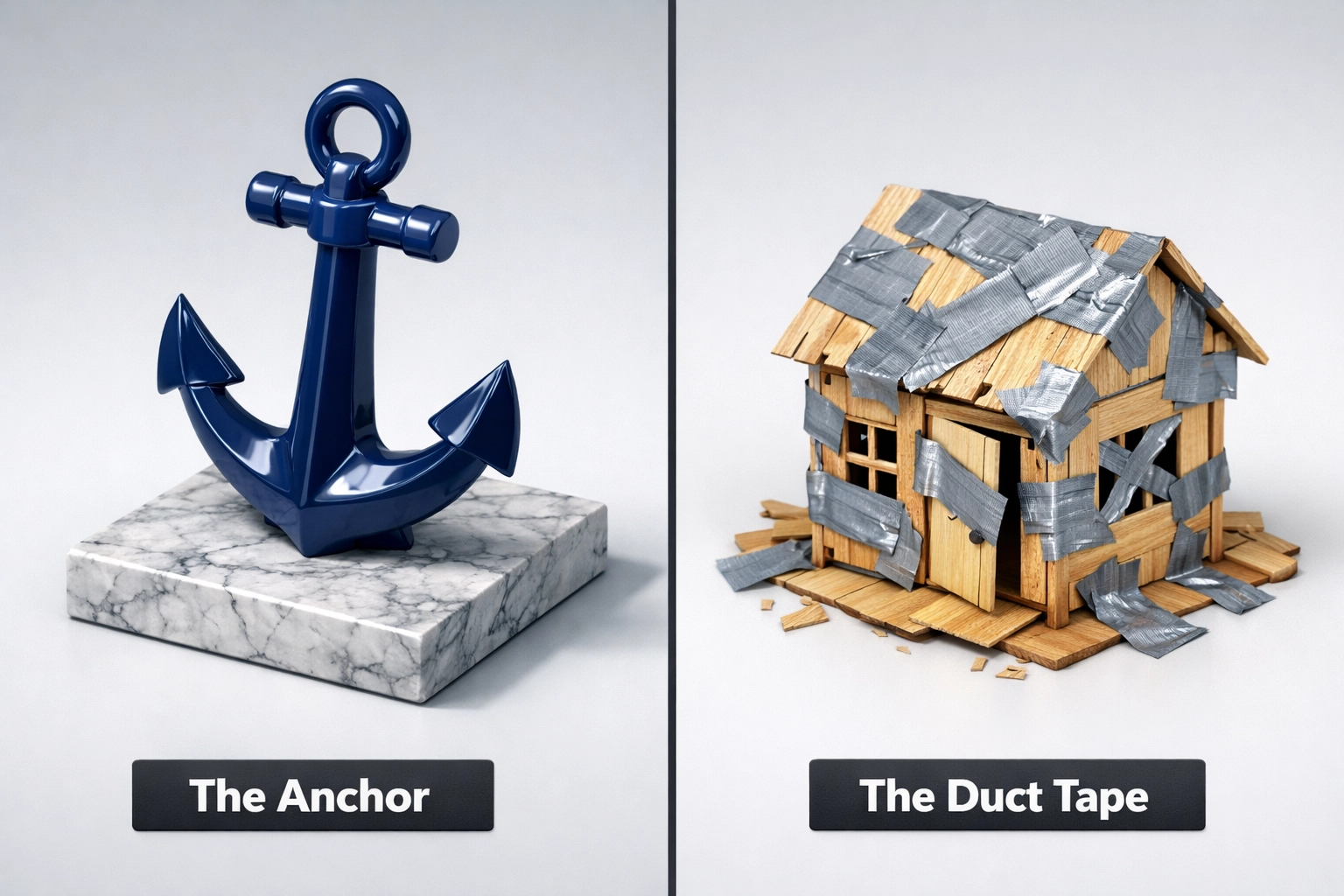
The Tale of Two Paths: The Anchor vs. The Duct Tape
When it comes to financial planning, there are generally two types of young adults.
First, meet Alex. Alex is proactive. They realized early on that their health is their greatest financial asset. Alex grabbed a term life insurance policy while they were young and healthy, locking in a monthly rate that’s cheaper than a fancy streaming subscription. To Alex, this policy is an anchor in a storm. It stays put, it’s reliable, and it provides a sobering sense of peace. If the worst happens, Alex knows their family won't be left scrambling to pay off credit cards or funeral costs.
Then, there’s Jordan. Jordan thinks life insurance is a "later" problem. Jordan relies entirely on the basic coverage provided by their employer. But here’s the thing: relying solely on work-provided insurance is like patching a leaky roof with duct tape. It might hold for a minute, but the second Jordan decides to switch jobs or gets laid off, that "protection" vanishes. Jordan is left exposed, and if they try to buy a policy later after a health scare, the price will be significantly higher: if they can even get it at all.
Which path feels more like the life you want to lead?
Why Buying Early is the Ultimate "Life Hack"
You might be wondering why you should pay for something you hope you won't need for another sixty years. It feels counterintuitive, but buying life insurance while you're young is one of the smartest financial moves you can make.
1. You’re Locking in a Bargain
Insurance companies love young people because you’re generally healthy. Because the risk is lower for them, the price is lower for you. We’re talking about the price of a couple of burritos a month to protect $500,000 of your future. Once you lock in that rate on a term policy, it stays that way for the duration of the term. If you wait until you’re 45, those same burritos turn into a steak dinner every single month.
2. Protecting Your Parents (and Their Retirement)
Did your parents co-sign your student loans? If something happens to you, those loans don't just disappear. Private lenders can and will go after the co-signer. Life insurance ensures that your parents don't have to spend their retirement savings paying off a debt for an education you didn't get to finish using. It’s a way of saying "I’ve got your back" to the people who have always had yours.
3. Future-Proofing Your Insurability
Right now, you’re likely at your peak health. But life is unpredictable. If you develop a chronic condition later in life, getting covered becomes much more expensive: and sometimes impossible. Buying a policy now is like buying a "VIP pass" to security that no one can take away from you later.
If you want to see what happens when people wait too long, check out without life insurance, here’s what happens when life happens. It’s a bit of a reality check, but a necessary one.
Term vs. Permanent: Choosing Your Vibe
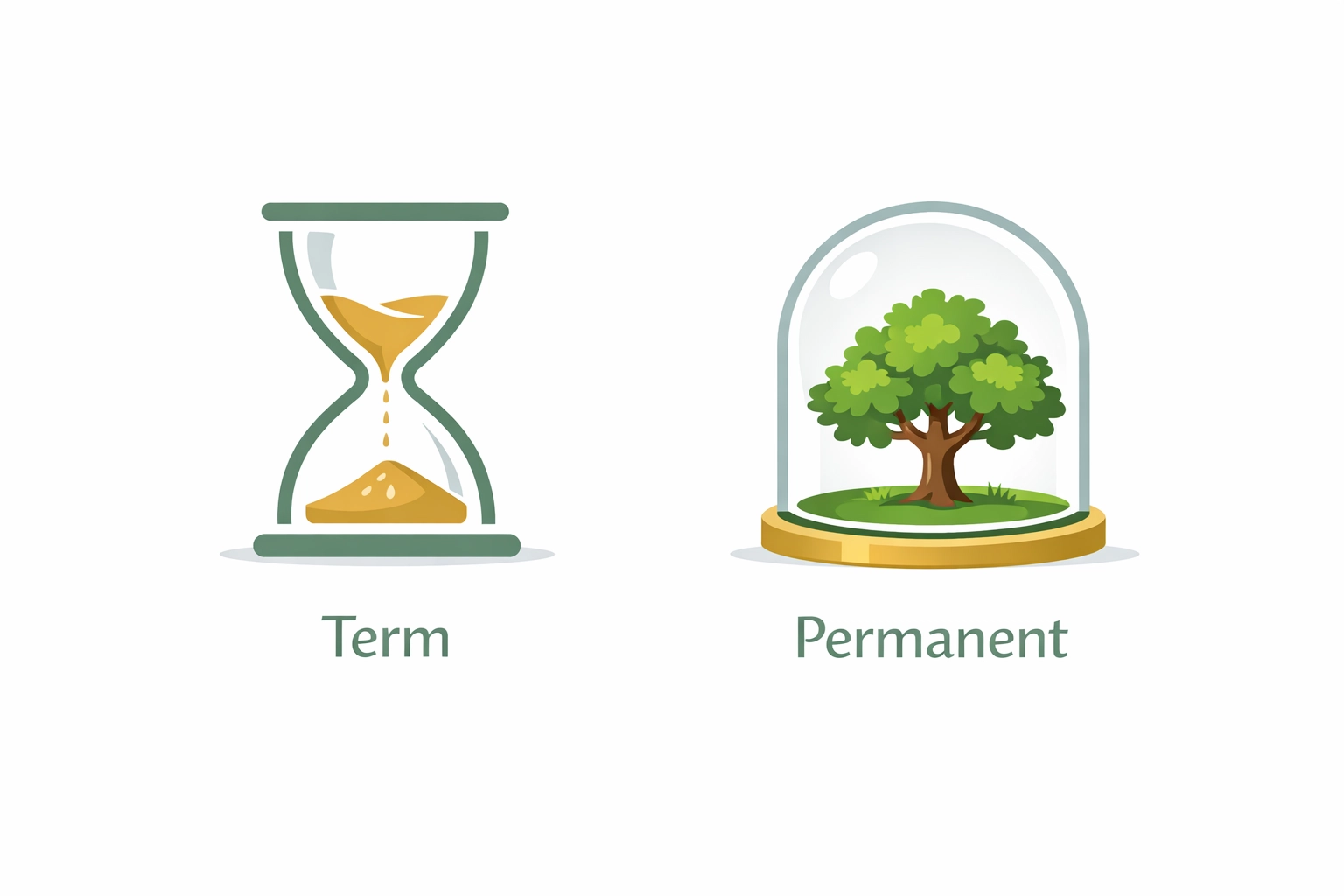
In the world of insurance, there are two main "flavors." You don't need a PhD in finance to understand them: think of it like choosing between a subscription and owning a home.
Term Life Insurance (The Subscription)
Term insurance is the most popular choice for young adults. You buy it for a set period: say 10, 20, or 30 years. It’s straightforward, affordable, and gets the job done. If you pass away during that "term," your beneficiaries get the money. If the term ends and you’re still kicking (which is the goal!), the policy simply expires.
It’s perfect for covering the years where you have the most debt: like when you’re paying off a mortgage or raising kids. You can learn more about how this works at term insurance.
Permanent Life Insurance (The Forever Home)
Permanent insurance lasts your entire life. It’s more expensive, but it also has a "savings" component called cash value that can grow over time. For young adults looking beyond “just coverage,” Universal Life is one of the big permanent options to know. It can offer lifelong protection plus flexibility (like adjustable premiums/death benefit in many designs) and a cash value component you can put to work as part of a long-term plan. It’s a bit more complex, but for some, it’s a powerful tool for investment and long-term wealth building.
If this still feels like a lot, don’t sweat it. I’ve actually written a guide that breaks this down even further. Take a look at life insurance explained in plain toddler language. It makes the complex stuff feel much more manageable.
How Much Coverage Do You Actually Need?
A common mistake is thinking, "I’ll just get $50,000 to cover a funeral." But life insurance is about more than just a final send-off; it’s about replacing the income you would have earned.
The "Rule of 10" is a great starting point: Aim for 10 times your annual income.
If you make $50,000 a year, a $500,000 policy is a solid target. Why so much? Because that money needs to cover:
- Outstanding debts (car loans, credit cards, student loans).
- Mortgage payments for a partner.
- Future costs for children (if you have them or plan to).
- A financial cushion for your loved ones to grieve without the crushing stress of "how will we pay the rent?"
It sounds like a massive number, but remember: for a healthy 25-year-old, $500,000 of coverage can cost less than $25 a month. That’s a small price to pay for feeling empowered and secure.
The Checklist: How to Get Started
Getting covered doesn't have to be a bureaucratic nightmare. Here is a simple, three-step plan to get you from "unprepared" to "protected."
Step 1: Audit Your Debt
Sit down and look at what you owe. Who would be responsible for those bills if you weren't here? This will give you your "base" number for coverage.
Step 2: Look Beyond the Office
If you have insurance through work, that’s great: but don't let it be your only plan. A personal policy stays with you no matter where your career takes you. Think of your work insurance as a "bonus" and your personal policy as your "foundation."
Step 3: Secure Your Income First
Your ability to earn money is your greatest asset. Protecting that income is the first step toward your path to wealth creation in Canada. Life insurance is just one part of the puzzle; you might also want to look into critical illness and disability insurance to ensure you're covered if you get sick and can't work.

The "If/Then" of Life Insurance
If you buy a policy today, then you can sleep better tonight knowing your family is safe.
If you lock in a low rate now, then you save thousands of dollars over your lifetime.
If you prioritize your security, then you are building a legacy of responsibility.
Without a plan, your future is fragile.
With a plan, your future is firm.
Choosing to get life insurance isn't an admission that something bad will happen; it’s an active choice to ensure that your love and support continue, no matter what. It’s one of the most selfless and charming things you can do for the people you care about.

I know this stuff can feel heavy, and it’s easy to push it to the bottom of your to-do list. But I promise, once it’s done, you’ll feel a weight lift off your shoulders that you didn't even know was there.
I’m here to help you navigate this. Whether you’re just starting your career or you’re looking to protect a growing family, let’s make sure you’re set up for success.
I care about your future, and I want to help you master your security.
Ready to see what your options look like?
Call Dupe Akinola on +16393835233.